
Okay, so check this out—Phantom landed on my radar months ago when I started moving small NFT bets and some SPL tokens between apps. Woah! My first impression was: smooth. Seriously?
Phantom’s UI is clean and quick. It pops up, asks the right questions, and signs transactions without screaming at you. On a gut level the onboarding feels sane; you don’t need a PhD to use it. But my instinct said there were trade-offs beneath that polish, and I kept poking around till I found them.
At first I thought it was just another browser extension wallet. Actually, wait—let me rephrase that: it behaves like a modern extension wallet, but it leans into Solana’s unique speed and low fees in a way other wallets haven’t. On one hand that makes things delightful for NFT collectors and DApp users. On the other hand, that convenience can obscure security nuances that matter if you’re holding higher-value assets.
Why people like Phantom (and why I did too)
Here’s the thing. Phantom integrates with marketplaces, staking dapps, and token swaps with almost no friction. The extension injects a web3 provider into the page, so apps detect it instantly. That bridging is buttery smooth for everyday tasks, like buying an NFT or approving a quick token transfer. I used it to sign 5 quick transactions one afternoon, and it was painless. Hmm… that felt freeing.
Phantom also makes common wallet tasks obvious. You can view NFTs, copy receipts, and export your secret recovery phrase from sensible menu paths. It has a built-in swap UI and support for hardware keys like Ledger if you want that extra safety layer. Those integrations reduce switching costs and reduce accidental mistakes. But be careful—simple mistakes still happen.
If you’re new to crypto, Phantom’s prompts are friendlier than many alternatives. The language is plain, and the icons help. I’m biased, but I think that accessibility drove its growth on Solana. Oh, and by the way… the speed is actually addictive.
Security: not bad, but not hands-off
Short version: it’s secure for daily use, but it demands attention when stakes rise. Seriously? Yes. The extension is audited and has sensible defaults, yet browser extensions carry inherent risks that you should respect. Extensions operate in the same process as your browser, meaning a compromised extension or malicious site can try to trick you.
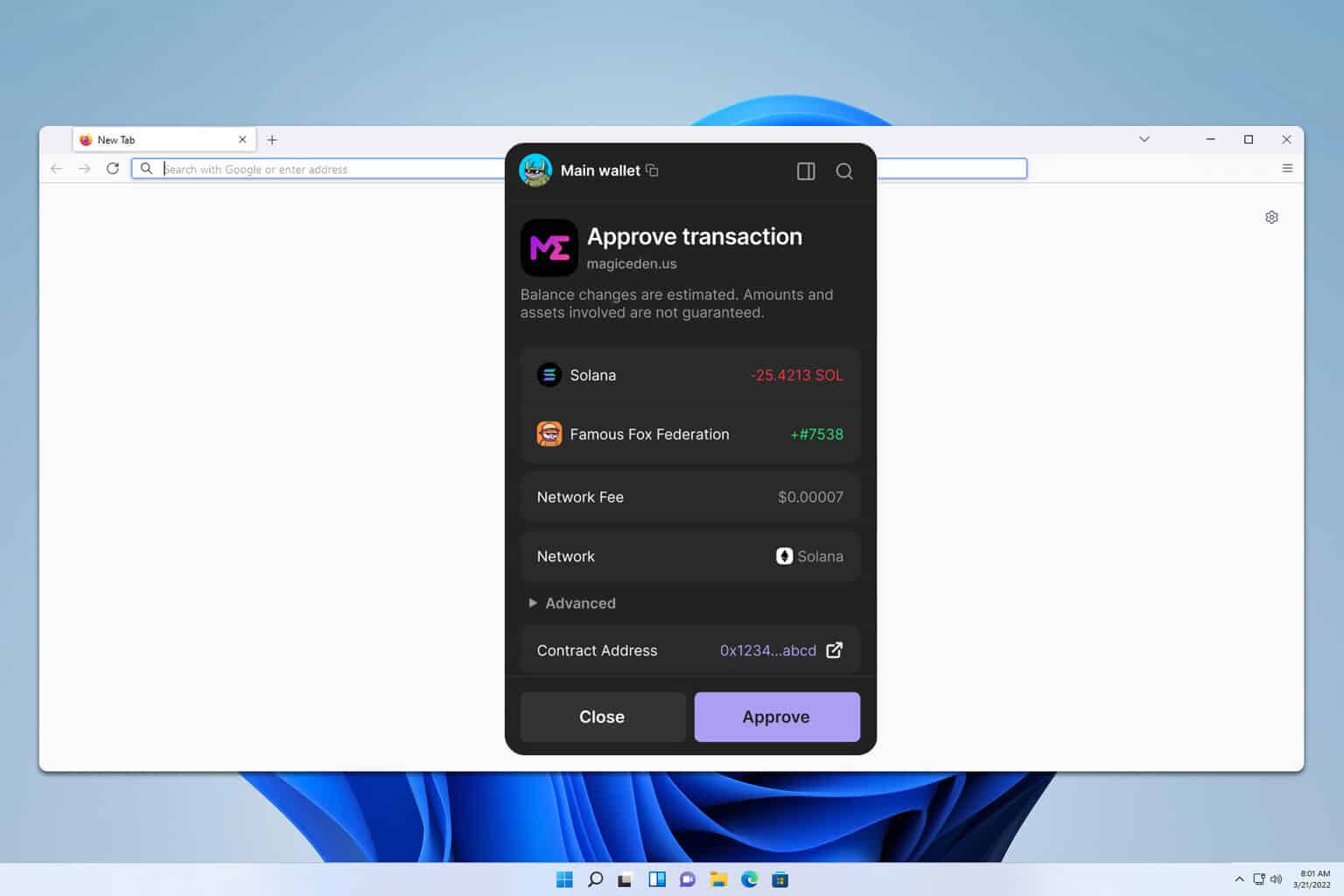
Initially I trusted every popup. Later I found myself pausing and reading the permission modal more carefully. On reflection, that pause saved me from approving a token mint that would have drained funds. I’m not 100% sure every user will build that habit though.
Use a hardware wallet if you plan to hold significant value. If you’re dabbling with floor-level NFTs or trying airdrop claims, the extension alone is fine. But when big money’s on the line, tethering Phantom to a Ledger or similar device adds a strong barrier to unauthorized transactions.
NFT handling — friendly, but watch the UX gaps
Phantom shows images and metadata for most Solana NFTs right in the wallet, which is very helpful. You can check your collection quickly before listing or listing on a third-party market. That UX saves time. However, some metadata can render incorrectly if the NFT’s host is slow or down, and that can look alarming if you’re not used to metadata inconsistencies.
Also, transferring NFTs sometimes requires manual attention to token accounts and rent-exemption rules on Solana. The extension handles the heavy lifting, but if you’re new you might see a fee that looks odd. I was like—wait, why am I paying that?—and after digging I realized it was rent for creating an associated token account. Not a bug, just Solana mechanics at work.
So: Phantom simplifies NFT ownership, but understanding what the extension automates will prevent surprises. Somethin’ to keep in mind.
Performance and everyday tips
Performance is a standout. Popups open quickly, and confirmations are fast. If you’re hopping between marketplaces or trying quick trades, that reduces friction. But beware of multiple approvals in rapid succession. When many dapps ask permissions, it’s easy to click through without reading.
My habit now: pause for each unique permission. If an app asks to “connect” and then asks to “approve” spending for a specific token, I read both prompts. On slow days I try new tools in small increments. That’s a boring tip, but effective.
If you want to try Phantom, and you haven’t yet, the official install link is easy to find—consider starting at the wallet’s download page: phantom wallet. Be careful to verify the URL in your browser bar. Malicious copycats exist.
Common questions I get
Is Phantom safe for beginners?
Yes, for small amounts and everyday interactions. The UI is forgiving and helpful. For larger holdings, pair it with a hardware wallet.
Can I store NFTs securely?
Phantom handles NFTs well, showing previews and metadata, but storage security depends on your device and backup habits. Export and secure your recovery phrase. Do not screenshot it.
How do I avoid scams?
Don’t approve transactions from unknown sites. Double-check URLs. Use separate browser profiles for high-risk activity if needed. And when in doubt, disconnect and research the dapp—very very important to be cautious.
0 Comments